

outdoor gas patio heater of a Propane Or Natural Gas Patio Heater
Consider the amount of heat that the patio heater will produce and the space it will be used. Ask a plumber or electrician for the proper installation.
People love this product because it's easy to use and has ample warm, adjustable. It also has a built-in automatic shutoff, and its base is durable enough to prevent tipping over.
Low running costs
Unlike electric heaters, which require a power outlet in order to operate, gas patio heaters can be run directly from a propane tank. The cost to run a patio heater is determined by the type of fuel used, energy and gas prices, and the time you will use it. Contact an electrician or qualified technician to determine the best heating system for your outdoor space.
Patio heaters come in a variety of sizes so you can choose the one that is best suited to your space. intimate dining areas with two people as well as single chaise lounges can be ideal for a freestanding gas patio heater such as the RADtec Tower Flame or Fire Sense 02117. Larger family dining areas as well as covered outdoor spaces are ideal for a mounted gas patio heater, such as the Innova EF60240S or Sunpak 12002. Advanced models like the Bromic Platinum Smart-Heat Gas utilize infrared technology to heat people and objects, rather than the air surrounding them. This makes them safer and more efficient in windy conditions.
Patio heaters are generally safe, but should never be left unattended. They should also be used on a stable and flat surface. The heating elements can become red-hot and burn skin or ignite flammable materials, like napkins made of paper or clothing, making it vital to be alert. Make sure the area is free of flammable materials like wood decks, and follow the manufacturer's recommendations for the proper installation.
There are three common kinds of patio heaters: propane, natural gas, and electric. While the initial investment may be higher for natural gas patio heaters, it is more affordable to run for a long time. Moreover, it is an excellent choice for a permanent outdoor space. Natural gas patio heaters use less energy than propane, but might require more installation costs.
Propane patio heating systems are the most flexible of fuel sources. However, they can be expensive for those who have limited access to natural gases. Additionally propane patio heaters require to be replaced regularly, which adds to the overall cost. If you are seeking a low-cost alternative look into an infrared patio heater.
Easy to install
Unlike propane heaters, natural gas patio heaters connect to your business or home's existing natural gas lines. This makes them more affordable and helps lower your energy costs since you'll be using less energy overall. Installation of natural gas patio heaters is simple and quick and is a great option for homeowners who wish to keep their outdoor areas warm throughout the year.
There are a variety of options for gas patio heaters outdoor. From freestanding units to wall mounted heaters you can find a solution that suits your budget and requirements. There are many models with temperature settings that you can alter to meet your specific needs. Some models come with integrated lighting to help you see at night.
You can also choose from a wide range of styles and sizes that will match your outdoor living space. Some have a clean modern look while others are more traditional. The size and style of the heater will depend on your needs, as well the height at which you would like to place it. Dallas Landscape Lighting experts can help you choose the right outdoor heater for your location.
You'll need to consider your patio space and how much heat you need when selecting a gas heater. Propane patio heating units are inexpensive to purchase, however, they're more expensive to operate. Electric patio heaters are more efficient, however they draw too much power and increase your electric bill. Gas patio heaters are more cost-effective choice, and they can be used as frequently as you like without raising your energy costs.
When you're hosting an evening party or just enjoying a glass of wine, a heater for your patio will add to the relaxation of your outdoor space. Patio heaters are becoming increasingly popular with homeowners since they let them enjoy the outdoors all year. Patio heaters are an excellent way to extend your outdoor dining and living spaces in Southern California.
Aesthetics
Patio heaters are a fantastic addition to outdoor dining areas and lounge areas, particularly for restaurants, pubs and bars. They can boost the flow of traffic and allow guests to remain outside for longer even in the case of cold. They're also a good option for homeowners who want to extend the use of their outdoor space. If they're too intrusive, they can impede the beauty of a space. There are many patio heating solutions that can blend into the decor.
The first thing to consider when selecting a patio heater is its heat output, which is usually measured in BTUs. The more BTUs the rating is the more heat the heater will produce. A general rule of thumb is to choose the heater that has an BTU rating that is equal to or slightly above the area of your patio.
You should also consider whether you'd prefer stationary or portable heaters. Portable patio heaters are generally fueled by propane or natural gas, and their portability depends on their size. Small table-top models can be easily moved, since they just need to remove the fuel cylinder. They can also be rolled around or carried from one place to another. Large free-standing models, on other hand, are heavier and may require professional installation.
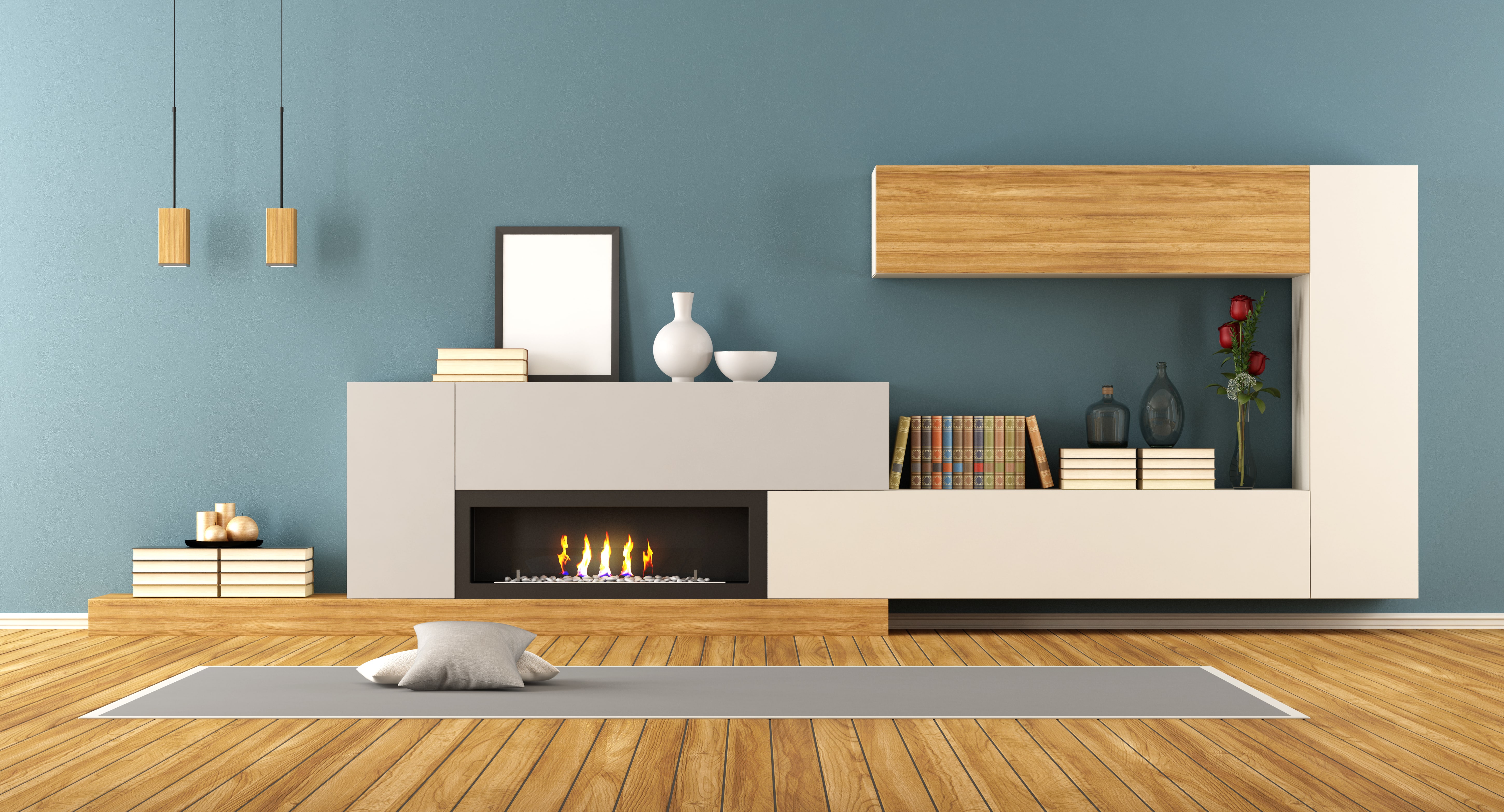
Most manufacturers offer a variety of finishes for their patio heaters. This allows customers to choose the perfect match for their furniture or decor. Infratech offers two slim single element heaters. Best patio heater gas has a brushed stainless-steel faceplate, while the Black Shadow Series is finished in anodized aluminium.
Take safety precautions if are planning to use a gas patio heating device. Set the heater on an even surface. Never put it in the wind because it could cause it to blow over or catch fire. You can also look for leaks in the gas lines by spraying them with water-based cleaner. If you notice that bubbles are forming or smell gas then it's time to call an experienced plumber.
Safety
As restaurants, hotels and homeowners seek to improve the ambience and warmth of their outdoor spaces patio heaters are becoming increasingly well-known. However, despite their numerous benefits there are some safety issues to keep in mind. These safety tips can help you prevent fires and accidents when installing an overhead or portable propane gas heater.
Propane or natural gas patio heaters emit carbon monoxide, which can be deadly if inhaled within enclosed spaces. Don't use your heater indoors, in a garage or in an area that is partially enclosed like a porch or gazebo.
Check for a thermostat: Many patio heaters are equipped with a safety device that stops propane flow when the flame is extinguished. A malfunctioning thermocouple can result in a dangerous gas leak. Be sure to inspect the thermocouple assembly and pilot light for signs of wear.
Keep children out of the area: Children shouldn't be allowed to touch any type of fire element including patio heaters. They should not play near or move them. The patio heater should not be placed directly over children, or over any other object that is flammable. It should be at least 15 feet from them.
Be aware that gas patio heaters can still be prone to ignite fires despite the best precautions for safety. It is essential to be vigilant and aware of your surroundings. If you're using a standing heater make sure you anchor it or weigh it down to stop it from falling over.
It's recommended to have an extinguisher for fire in the vicinity and, ideally, one that is rated for your fuel source (class B for gas or electric). In an emergency, a fire extinguisher is essential and can reduce the destruction caused by a fire. Make sure to read and follow the instructions of the manufacturer for your particular patio heater. If you notice that the flame is flickering or abruptly stopping then shut off your patio heater and wait several minutes before trying to light it again. This will stop the accumulation of gases that can cause an explosion or flashburn.